Why we ran the Lab
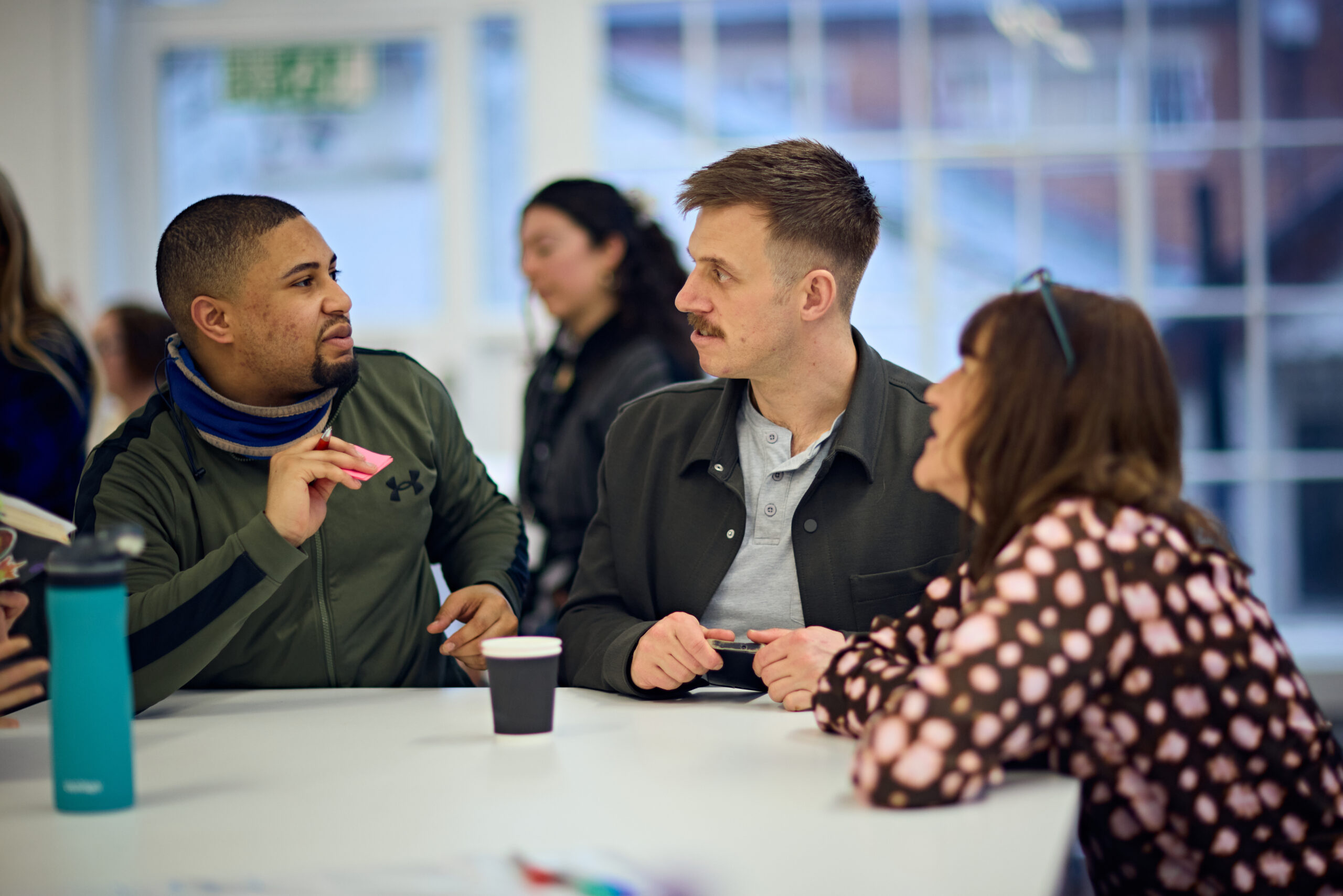
I was always particularly excited about the Youth Leadership Lab, perhaps more than any other activity within Leeds33’s current Arts Council funded programme. For me, it felt like a rare opportunity to work directly with a broad cross section of young people from across the city, invite them into the Leeds33 network, and create real space for their voices to be heard. Not just within our organisation, but within the cultural sector more widely.
When we first put out the call for young people to get involved, we didn’t really know what to expect. We were surprised and genuinely grateful when almost fifty young people from across Leeds, from very different walks of life, got in touch to express an interest. I only wish we had been able to invite more.
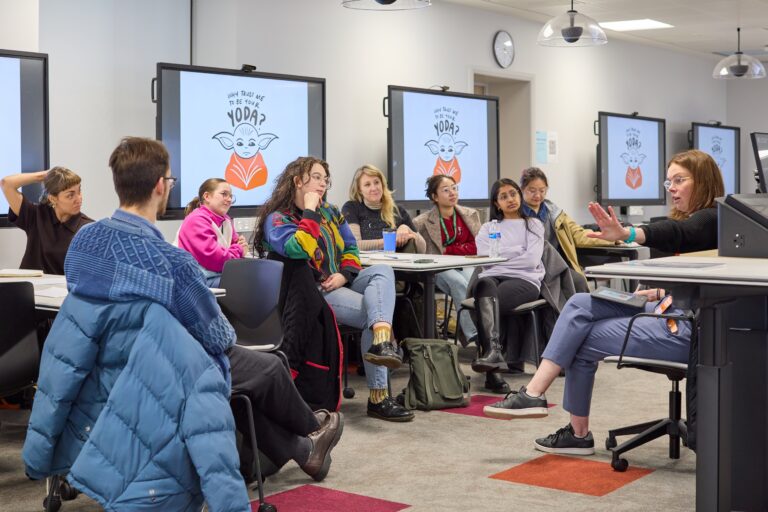
In the end, we invited sixteen young people to take part in a two-day intensive. The starting point was exploring the intrinsic value that young people already have and can offer to the culture sector now, and the skills they need to make themselves heard. From there, we opened up conversations about their strengths, passions and ambitions, and how their lived experiences can meaningfully inform cultural practice and decision making.
Alongside this, we explored pathways into the culture sector, and what leadership might look like for young people who find themselves in positions where their perspectives can influence change, whether within a cultural organisation or within Leeds33 itself.
A Lab in the truest sense
As with much of our ACE project, there was a strong sense of exploration running through the Youth Leadership Lab. This was intentional. There are so many directions an opportunity like this could take, and what felt important at this early stage was offering young people a broad range of possibilities in terms of their personal and professional development.
Rather than arriving with a fixed idea of what the Lab should produce, we wanted to create space for young people to encounter different skills, topics and ways of working, and to see what resonated most strongly for them. The aim was to listen carefully, so that future offers can be shaped more clearly around what young people actually value and need.
From my perspective, this felt like the right place to begin. It allowed us, and hopefully the young people too, to build a shared understanding of where energy, curiosity and confidence really began to grow.
From an organisational point of view, this has already helped Leeds33 think more clearly about how we can support young people who are interested in pathways into the culture sector, and how we can create platforms for young people who are ready and inspired to make change within the culture sector now; to see positive change for their peers, for those younger than them, and for the communities they are part of, and to work alongside the sector to help make those changes happen.
Opening the room to the sector
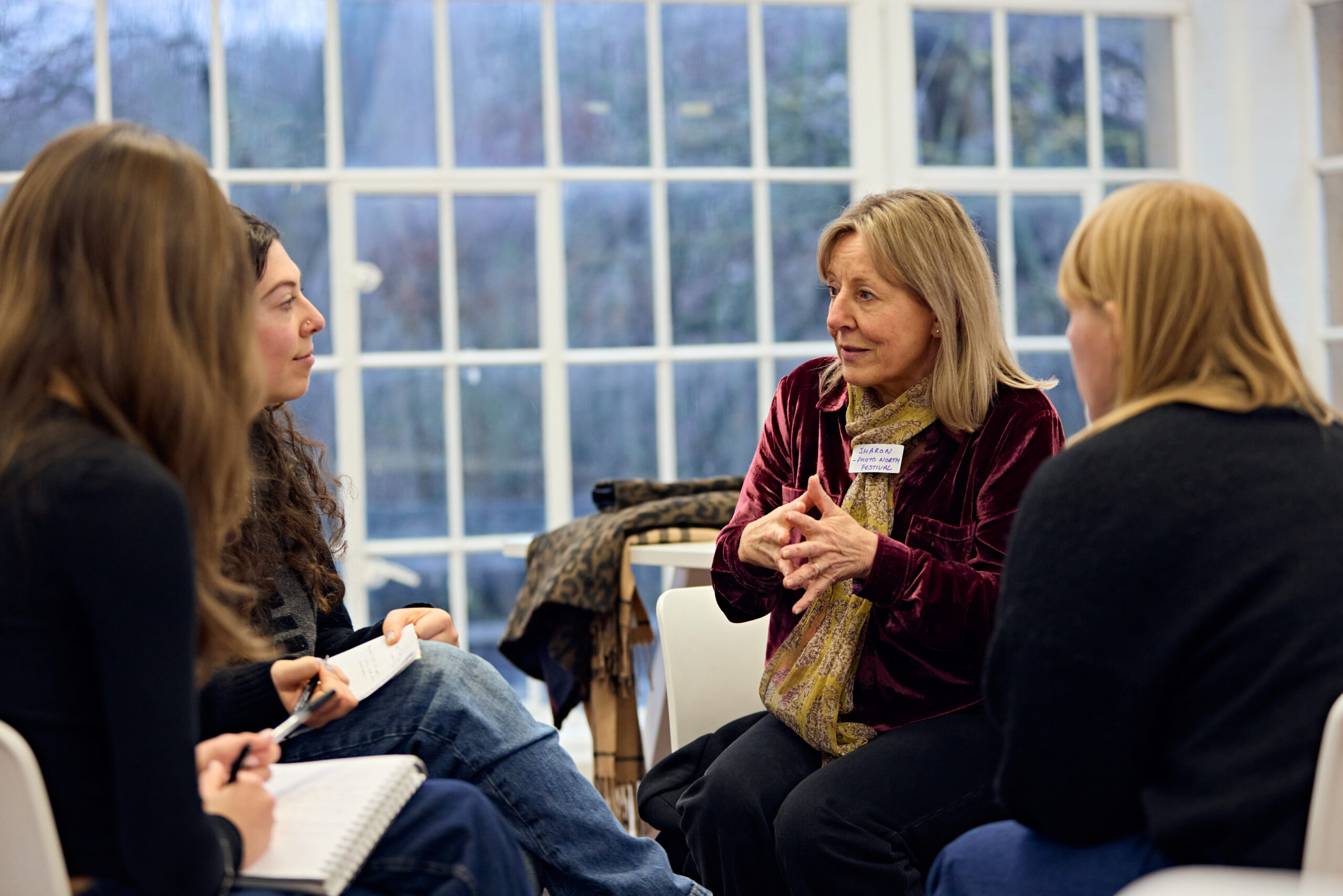
A key part of the Youth Leadership Lab was creating an opportunity for young people to meet current leaders within the culture sector. We wanted to demystify who makes decisions, how people arrive in leadership roles, and what pathways into the sector can actually look like.
We put out a call to cultural leaders across Leeds, asking if they would be willing to donate a few hours of their time to meet the group, answer questions and share their journeys. We were met with an incredibly generous response, supported in no small part by Wieke Eringa, Director of Leeds’ Cultural Institute, who helped spread the word across the city.
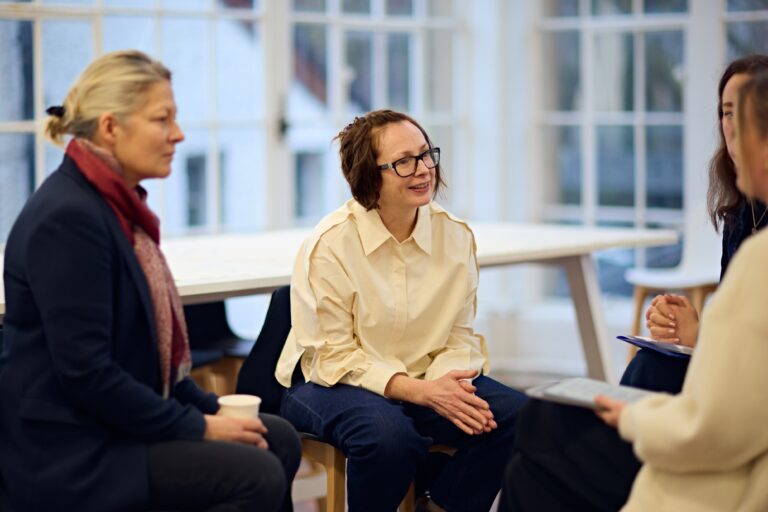
We were joined by leaders from theatres, dance organisations, libraries, museums, festivals, and contemporary art institutions. The young people made the most of this opportunity. They were eager to hear honest stories about career journeys, challenges, support networks and moments of uncertainty, as well as practical advice for those just starting out.
Sitting back and watching those conversations unfold was a powerful moment. It felt like a clear example of what a cultural education partnership can do. Creating the conditions for relationships to form and then allowing those relationships to be shaped by the people in the room.
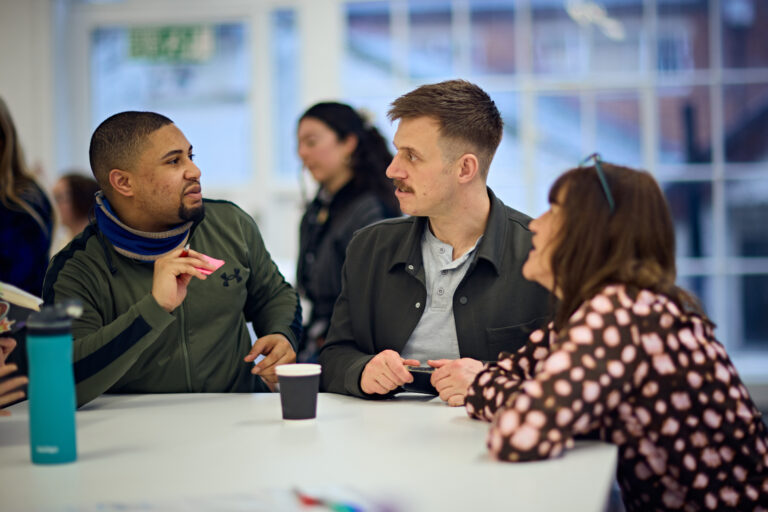
What stood out was how much the energy and direction came from the young people themselves. The conversations felt open, generous and genuinely reciprocal. My hope is that the cultural leaders who joined us left feeling as inspired by the group as we did.
Access and representation
One thing Leeds33 was very conscious of in designing the Lab was reducing barriers to participation as much as possible. We wanted young people to feel welcome, supported and able to take part fully, regardless of their background or previous experience of the sector.
As a result, the group brought together a genuinely eclectic range of experiences, perspectives and levels of familiarity with cultural spaces. Some participants were already confident navigating the sector. Others were encountering these spaces for the first time.
From an organisational learning point of view, this felt incredibly important. The conversations were richer because of it. It reinforced the belief that if we want to see Leeds, and the diversity of lived experiences within it, more meaningfully reflected in cultural life, then these kinds of spaces matter.
What we take forward
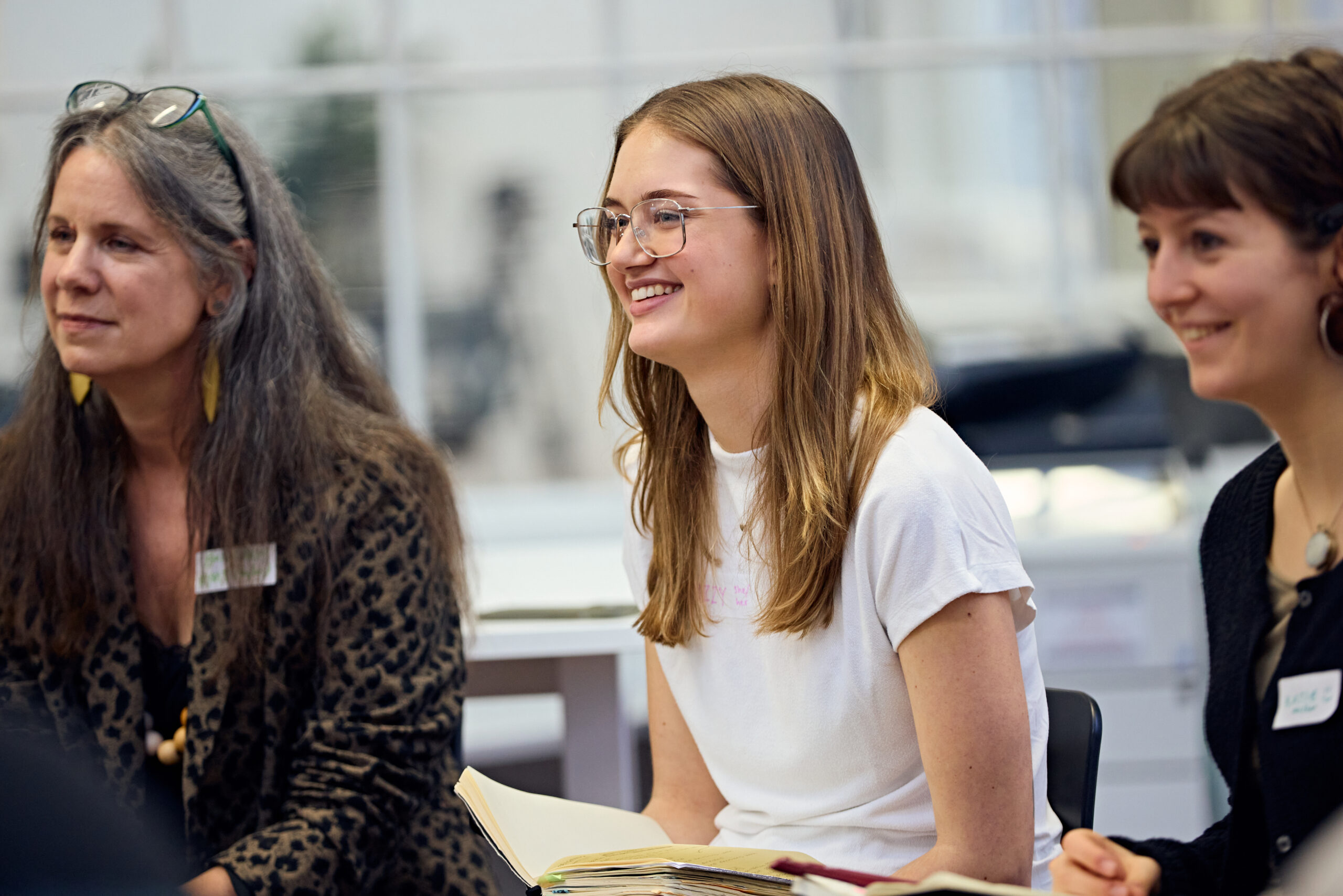
From Leeds33’s perspective, the Youth Leadership Lab has been an important learning moment. It has helped us understand more clearly how young people want to engage, what kinds of support feel most meaningful, and how future opportunities might go deeper while remaining accessible.
Personally, one of my biggest takeaways is that we could easily have spent the full two days on any single topic we touched on. It reinforced the idea that sometimes less content creates more space for ideas to fully mature. More opportunity for young people to demonstrate what they are capable of when given time, trust, and the freedom to create.
Thank you and what comes next
To finish, I want to say a huge thank you. First to the young people who brought such energy, honesty and care into the Lab, and who provided so much of the inspiration that will shape what comes next. Thank you to Upstart Projects, and to Emrys and Olivia for their thoughtful facilitation. Thank you to the University of Leeds, and to Professor Briony Thomas in particular, for hosting us so generously. Thank you to the Leeds33 Board of Trustees for supporting the event and for coming along to meet the group. And thank you to the cultural leaders who shared their time, stories and guidance so openly.
This Lab has felt like the beginning of something exciting.
It feels like there is a real appetite to continue the dialogue we’ve started, and real value in bringing this cohort back together, and in inviting others to join us as Leeds33 continues to learn alongside young people and the sector.
We will be expanding on this work and going forward we will have opportunities to get involved, sign up to our newsletter to be the first to know.